
What is Montessori.
Maria Montessori, the first female physician in Italy, invented the Montessori approach to education. The Montessori method concentrates on the specific developmental needs of the child. Montessori believed that everyone learns differently, and at their own pace. She created a new type of classroom, a prepared environment, to accommodate and stimulate the individual interests of her students. The role of the directress becomes to follow the development of the child, on a one-to-one basis.
Why Choose Montessori?
Independence. The Montessori method has been in existence for more than one hundred years. If there is one trait that exemplifies the success of a Montessori school, it is that their students are creative, responsible and highly independent. If independence is coveted above all else, it is because it creates the freedom that is needed to develop, both academically and socially. Montessori helps children to think and act for themselves, independently and with the courage of thought.
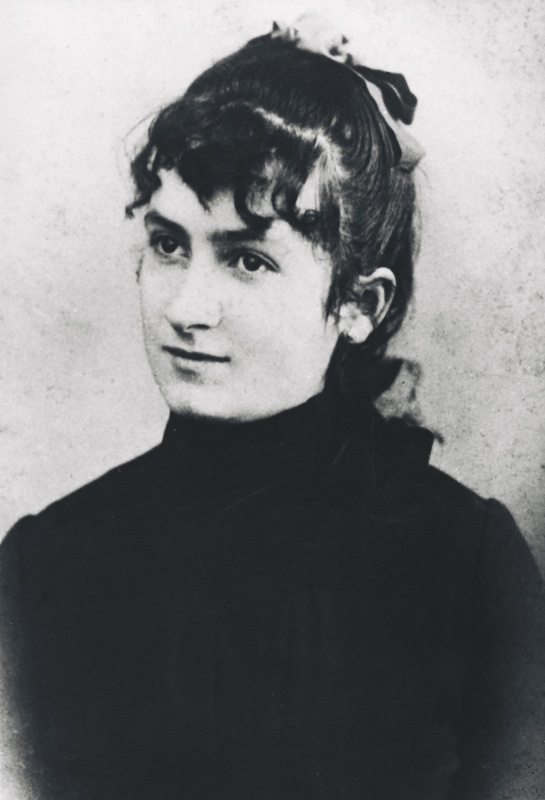
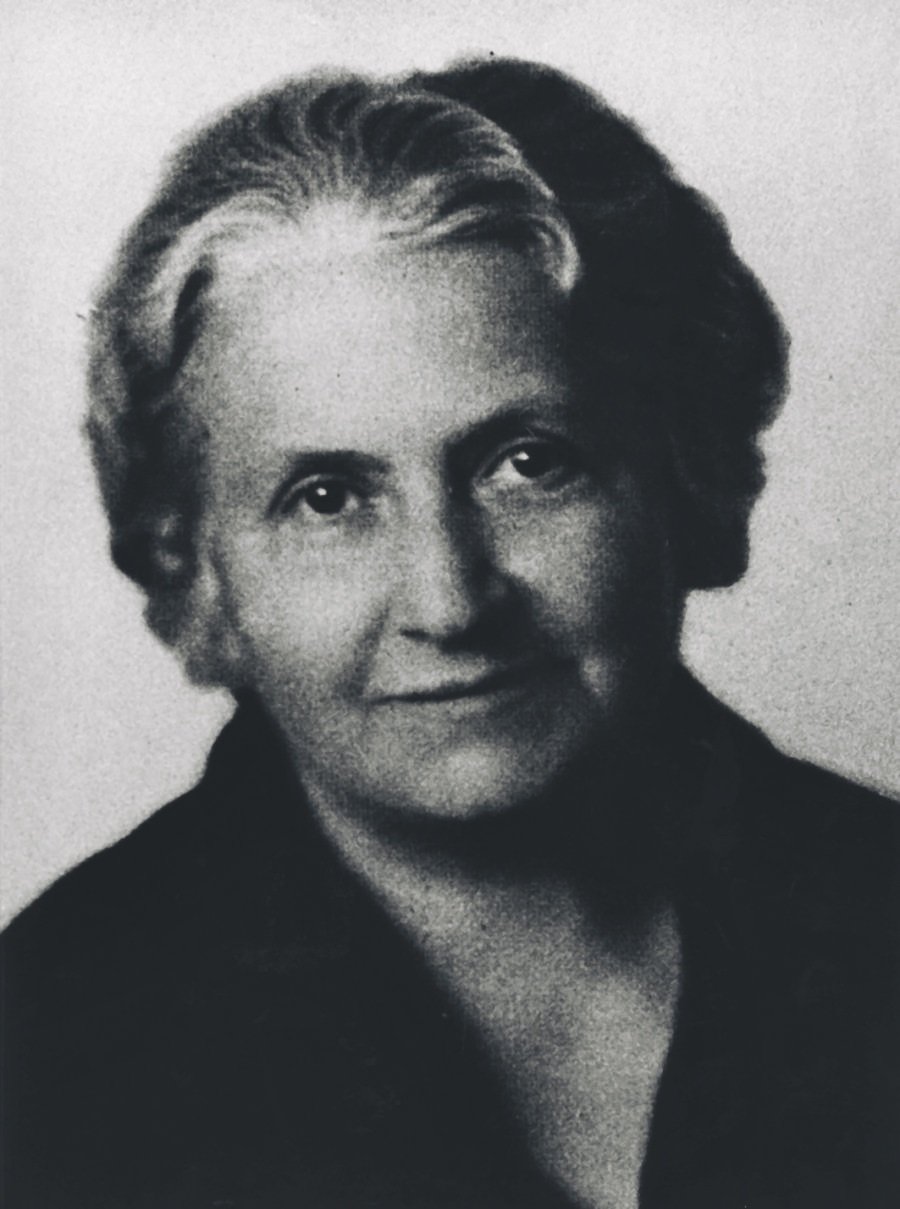
Maria Montessori
Maria Montessori.
Maria Montessori was born in Italy in 1870. She graduated from the University of Rome Medical School in 1896 becoming the first Italian female physician. As a member of the University Physician Clinic, she attempted to educate the mentally challenged. After much success, she was asked to open a school for children. The Casa dei Bambini, or Children’s House, opened January 6, 1907. As a result of the introduction of a new form of eduction, centered specifically on the child, her principles spread throughout the world producing a global Montessori vision for education that persist to this day. Maria Montessori died in the Netherlands in 1952.
The Montessori Method.
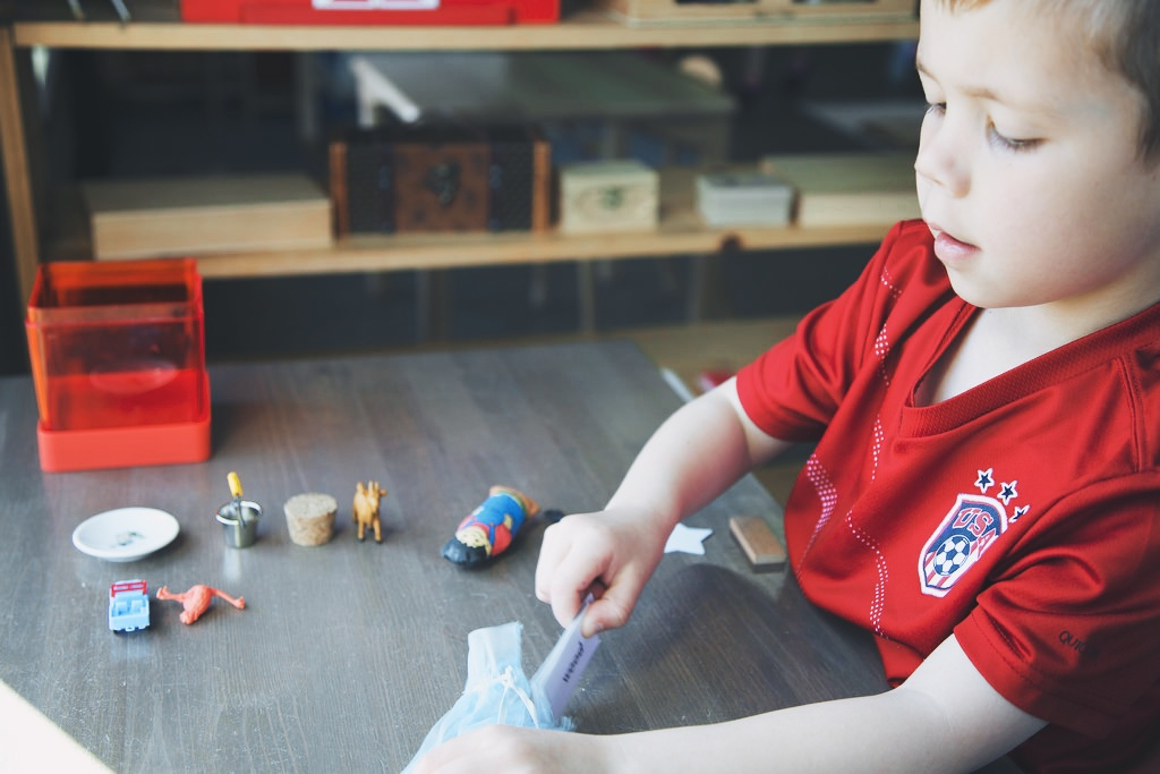
Montessori education concentrates on the specific needs of the child. Children are taught on a one-to-one basis in a prepared environment, specially designed to meet the requirements of Maria Montessori's philosophy of education. This shift in focus, from the traditional classroom model, helps to create a better sense of self for the children, both in terms of independence and self-discipline. Not only are the educational needs of the children met and nurtured, but also, and just as important in Montessori, their social development is enhanced in an environment of mixed-ages (from three to six), predicated on openness and diversity.
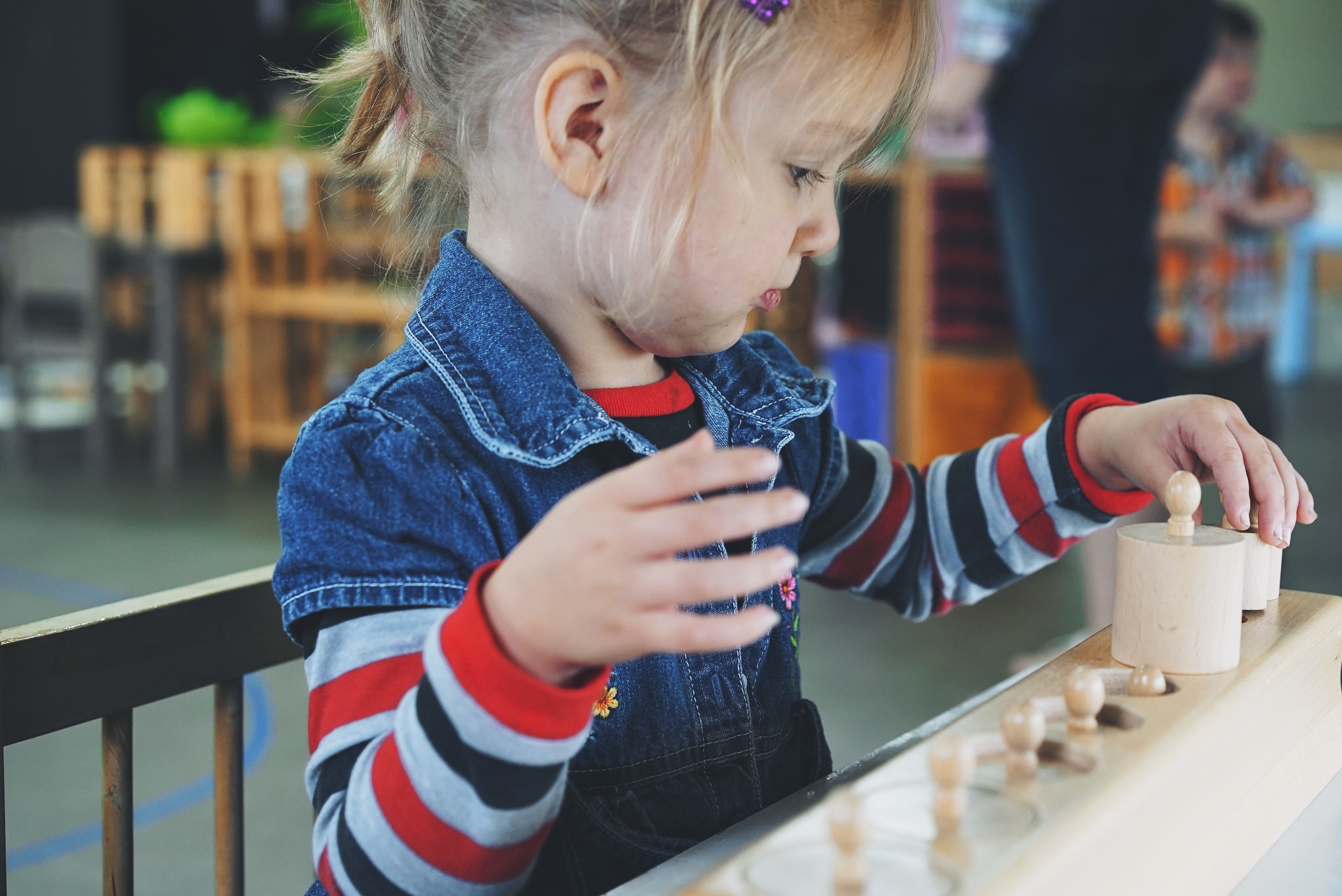
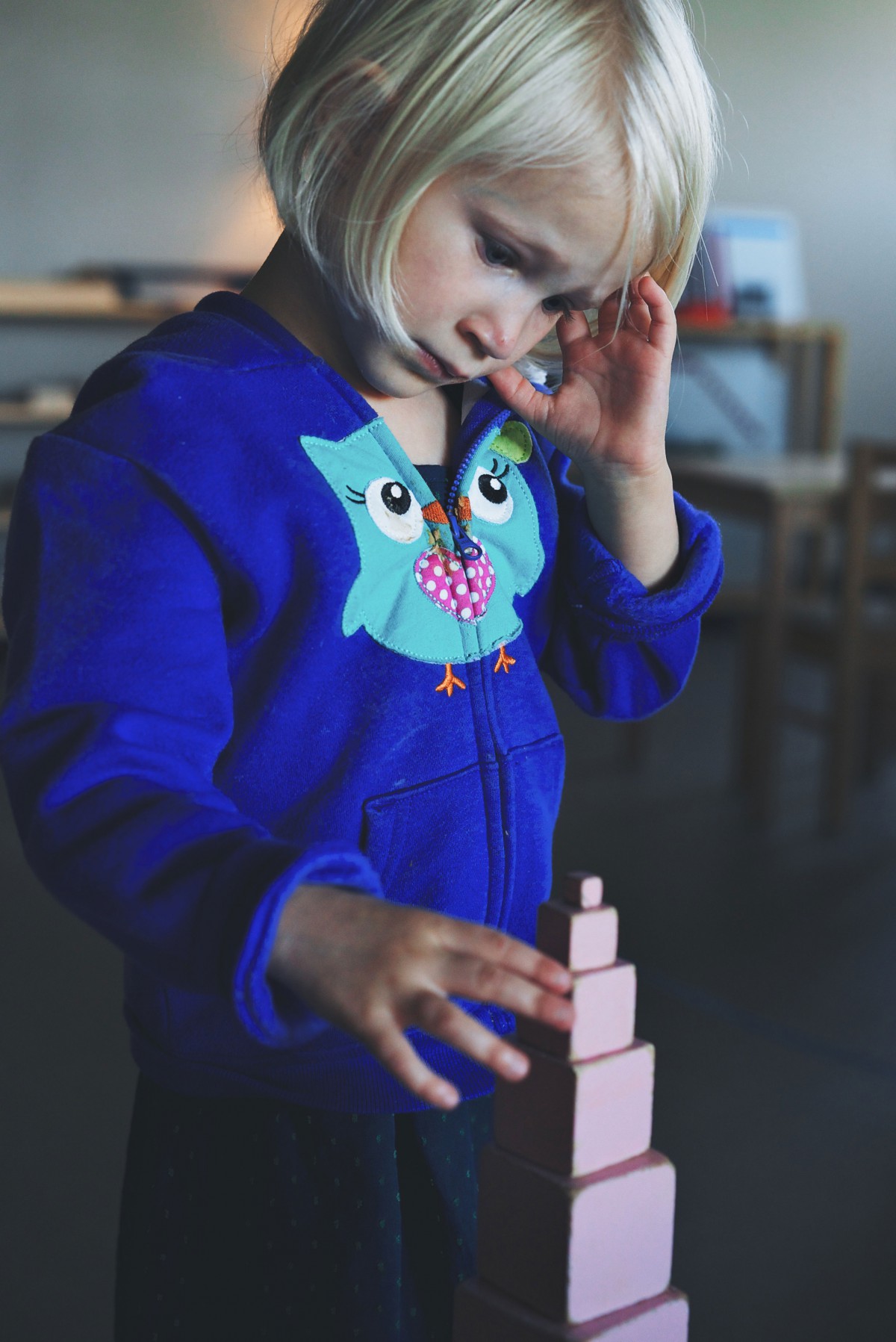
The Pink Tower
Montessori Materials.
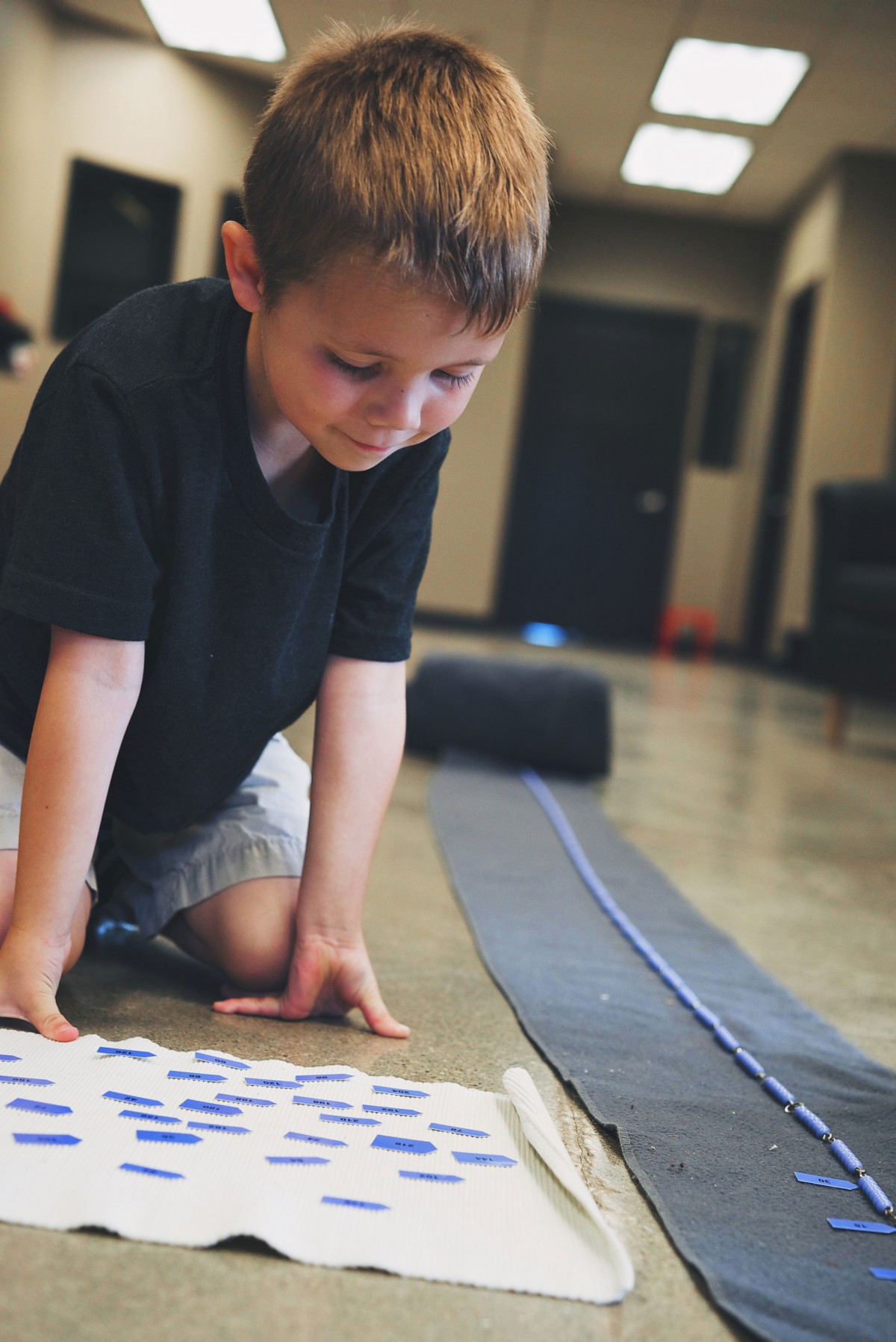
The materials in an authentic Montessori classroom are specifically designed and engineered to increase and enhance the education of your child. “The fundamental fact in the preparation of the environment is to have only one set of each type of material. When there is only one specimen of each object, and if a piece is in use when another child wants it, the latter will wait for it to be released. Since this happens every hour of the day for years, the idea of respecting others, and of waiting one’s turn, becomes a habitual part of life which always grows more mature.”
Standards of Montessori
Maria Montessori states it best when she writes, “We must support as much as possible the child's desires for activity; not wait on him, but educate him to be independent. It is necessary for the teacher to guide the child without letting him feel her presence too much, so that she may always be ready to supply the desired help, but may never be the obstacle between the child and his experience.” Alongside these principles, Montessorians believe in a mixed age classroom. “There are many things which no teacher can convey to a child of three, but a child of five can do it with the utmost ease."
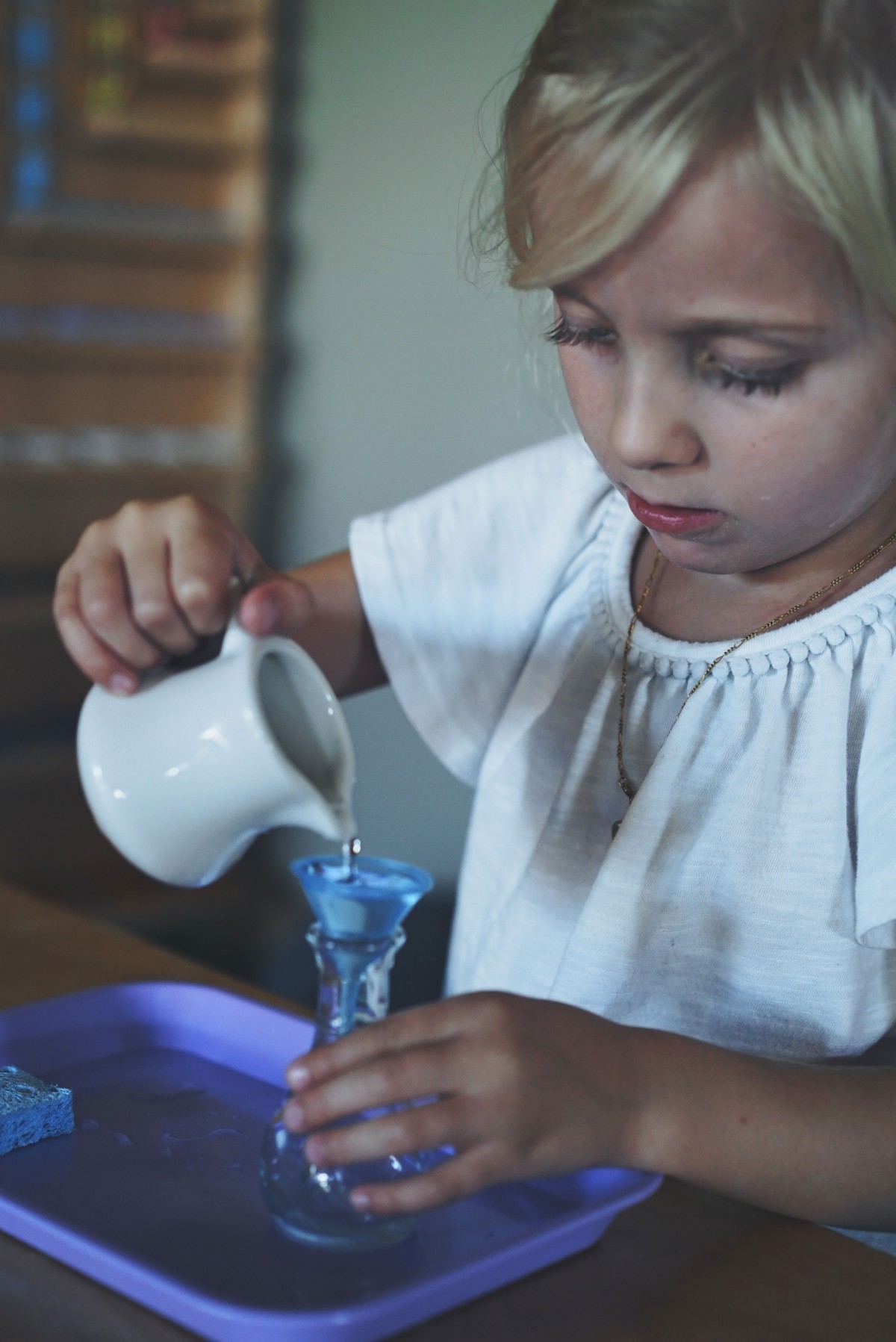
Practical Life Activities
Montessori Schools.
Emphasis placed on cognition. Emphasis placed on social formation. Teacher as guide of classroom. Environment and method promote self-discipline. Primarily individual instruction. Teacher encourages collaboration. Mixed age children. Child chooses their own work. Self-teaching materials help child learn concepts. Child is allocated time to complete lessons. Learning pace set by individual student. Child discovers errors. Internal reinforcement of learning success. Personal feelings of progress. Child is free to work in the classroom. Group participation elective. Self care learned.
Traditional Schools.
Emphasis placed on rote learning. Emphasis placed on rote social behavior. Teacher controls the classroom. Teacher is the only disciplinarian in the classroom. Primarily group instruction. Teaching is conducted by teacher. Same age children. Teacher assigns work. Teacher instructs child on concepts. Specific time allotted on projects. Learning pace set by group. Teacher highlights the errors the child makes. External reinforcement of learning success. Rewards and punishments. Normally assigned a specific location in class. Group participation required. Self care left to parents.
Learn more about Montessori.
√ You can learn more about our application process and view our tuition information.
√ If you would like to schedule a tour, please contact us.
√ You can also search for your local Montessori school .
√ We recommend that you visit the AMI website to learn more about Montessori.


Join Us
Follow
Us